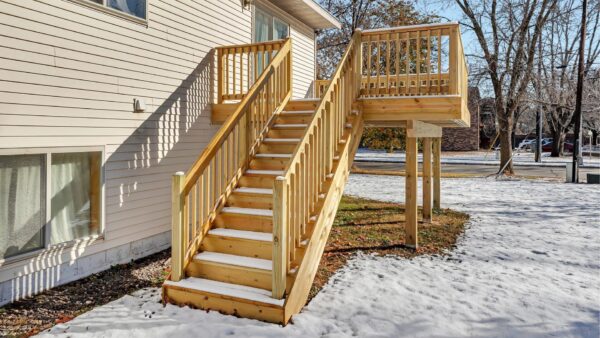
Homes in Central Minnesota work through long winters marked by sharp temperature drops, steady wind, and long periods of extended cold. When indoor spaces start to feel drafty or harder to keep warm, many homeowners naturally look to the attic or walls as the source of the problem.
In reality, the entry door often plays a much larger role in overall heat loss than most people expect. Worn seals, aging materials, or small gaps around the frame give warm air an easy path out while allowing cold air to creep inside. Once you understand how a properly installed and well-sealed door supports steady indoor comfort, it becomes easier to recognize when this often overlooked part of the exterior deserves a closer look.
Table of Contents
How Entry Doors Influence Energy Loss
Exterior doors separate your conditioned indoor space from the outdoor elements. When that seal weakens, warm air escapes around the frame, sill, and hardware, while cold air works its way inside. During winter, these small gaps become far more noticeable as heating systems run longer and temperature differences across the home increase.
Door materials also affect performance under seasonal stress. Older wood doors absorb moisture, swell, and later shrink as temperatures change, which creates new openings over time. Metal doors without insulated cores allow heat to transfer more easily than many homeowners expect. Together, these factors reduce the door’s ability to support the home’s overall insulation system.
The Role of Quality Construction in Door Performance
A strong exterior door begins with a solid core, durable materials, and engineered components that limit unwanted air movement. Manufacturers like Therma Tru and Bayer Built design their products to deliver dependable insulation through composite frames, weather-resistant surfaces, and energy-efficient cores. These elements reduce temperature transfer and create a more consistent indoor environment.
The frame, sill, and weatherstripping work together to keep heat where it belongs. When each element is installed correctly, the door closes evenly and maintains a secure seal.
Why Installation Quality Matters as Much as Materials
Even a well-designed door loses performance when installation details are overlooked. A frame that is not square, a hinge that carries too much weight, or a sill that does not sit flush can create slight openings around the perimeter. These openings allow conditioned air to escape and introduce cold pockets to entryway floors and nearby rooms.
Professional installation ensures the door operates smoothly and presses firmly against weatherstripping. It also ensures that expansion and contraction across seasons do not break the seal. This attention to detail supports long-term energy savings and improves the overall stability of the home’s exterior envelope.
How Door Frames Influence Energy Efficiency
The frame surrounding an entry door plays an important role in preserving indoor warmth. When a frame begins to shift or settle, even a small change in alignment can create gaps that let cold air move into the home. These changes often happen gradually and become more noticeable as winter temperatures drop and pressure builds around exterior openings.
Modern composite frames help reduce this issue because they are built to resist swelling, shrinking, and moisture absorption. They pair well with insulated doors and stable weatherstripping, creating a complete system that protects the interior environment. Homeowners often notice improved comfort near the entryway once the frame and door work together as a unified structure.
Signs Your Door May Be Losing Heat
Homeowners often notice early symptoms before realizing the door is involved. Some of the most common include:
- Floors near the entryway that remain cold even when the rest of the room feels warm
- Light slipping through the edges of the door when it is closed
- Drafts that increase during windy days
- A door that sticks during certain seasons, then loosens during others
- Energy bills that rise earlier in the heating season than in past years
These small indicators point toward worn seals, aging materials, or installation issues. Addressing them early can reduce energy loss before winter conditions intensify.
Weatherstripping and Seals that Support Better Heat Retention
Weatherstripping creates a flexible barrier that works alongside the door’s insulated core to block unwanted air movement. When the strip wears down, compresses, or begins to crack, that barrier weakens. Cold drafts slip into the home, and warm air escapes through narrow gaps along the edges of the door. These small openings often go unnoticed at first, yet they steadily undermine comfort as winter conditions persist.
Properly fitting hardware plays an important supporting role in this seal. Hinges, strike plates, and locking systems help keep the door aligned and fully seated within the frame. When hardware loosens or shifts over time, even high quality weatherstripping cannot maintain consistent contact. A door that no longer pulls tight allows airflow around the perimeter, increasing drafts and heat loss. Replacing worn weatherstripping and correcting hardware alignment is a simple improvement that makes a meaningful impact on comfort.
When to Consider a Door Upgrade
In many older homes, the original door was never designed to meet today’s insulation expectations, so heat loss slowly becomes part of daily life. In other situations, the frame may have shifted slightly over the years, creating gaps that are difficult to correct with simple fixes.
A new door brings noticeable energy improvements right away, while the updated appearance adds curb appeal and gives the entry a cleaner, more modern look. Taken together, these benefits make a door upgrade a practical part of winter preparation that supports comfort through long Minnesota winters.
Upgrade Your Home’s First Line of Defense with Lutgen Companies
Cold seasons in Central Minnesota place steady demand on every part of a home’s exterior, especially the entry door. At Lutgen Companies, we understand that a well-built and well-installed door supports warmth and stability, giving homeowners a dependable first line of protection against long stretches of cold weather.
If you’d like to understand what contributes to an energy efficient exterior door, explore our entry door options as you prepare your home for the season ahead.