Family-owned craftsmanship, factory-backed installations, and a Lifetime Workmanship Guarantee for every exterior project.



Get Started Today!
Learn about the great financing options available for your next exterior remodeling project.













Roofing and Exterior Remodeling in St. Cloud, MN
Full-service exterior remodeling in Saint Cloud and Central Minnesota, including roofing, siding, windows, gutters, decks, insulation and doors with manufacturer-backed warranties and free consultations.
Limited Time Offers

Expires 05/30/2026 Share
Trusted Local Exterior Remodeler Backed by Lifetime Workmanship Guarantee
As a second-generation, family-owned firm since 1983, Lutgen Companies has completed projects for more than 10,000 homeowners across Central Minnesota. We combine factory-trained installations, GAF-backed roofing expertise, free on-site inspections, and insurance-claim support to deliver durable, energy-smart exterior upgrades with a Lifetime Workmanship Guarantee and clear communication from estimate to warranty registration.



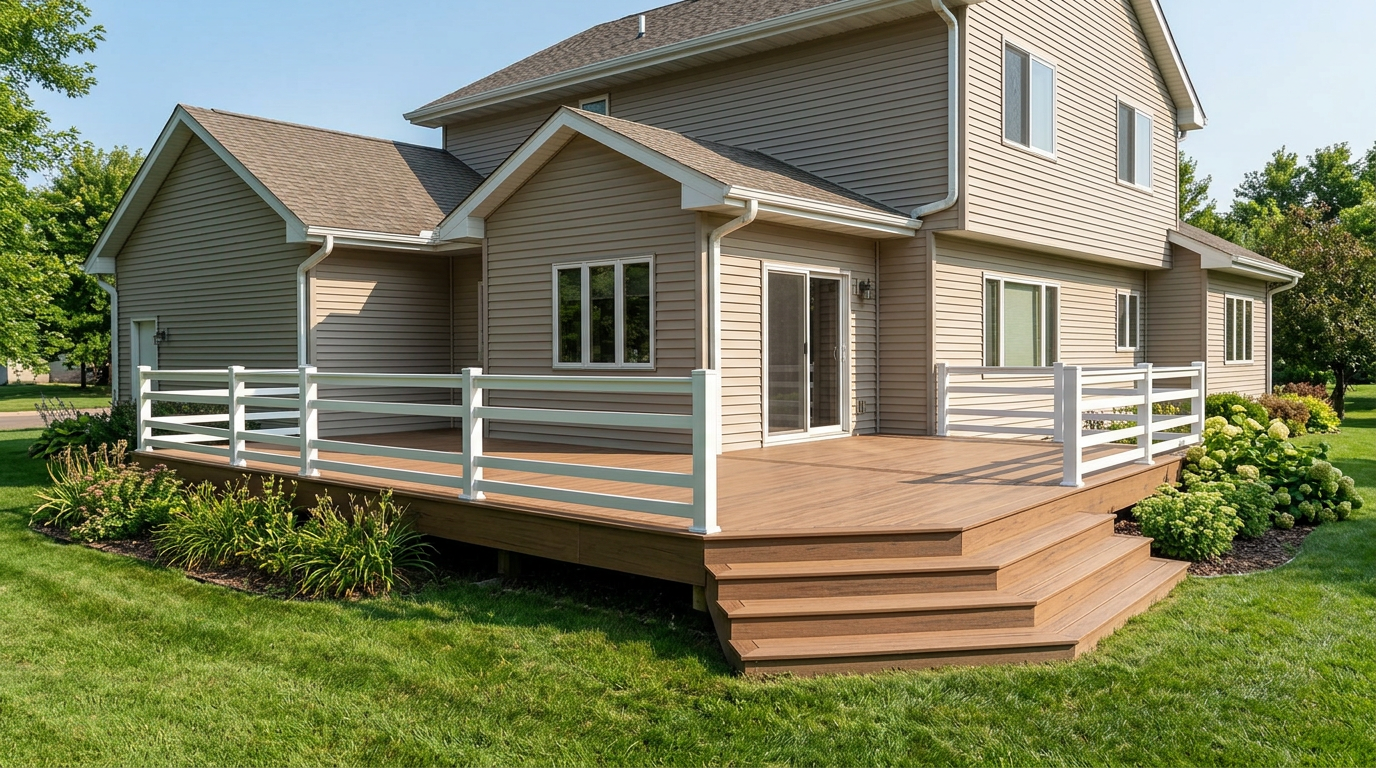
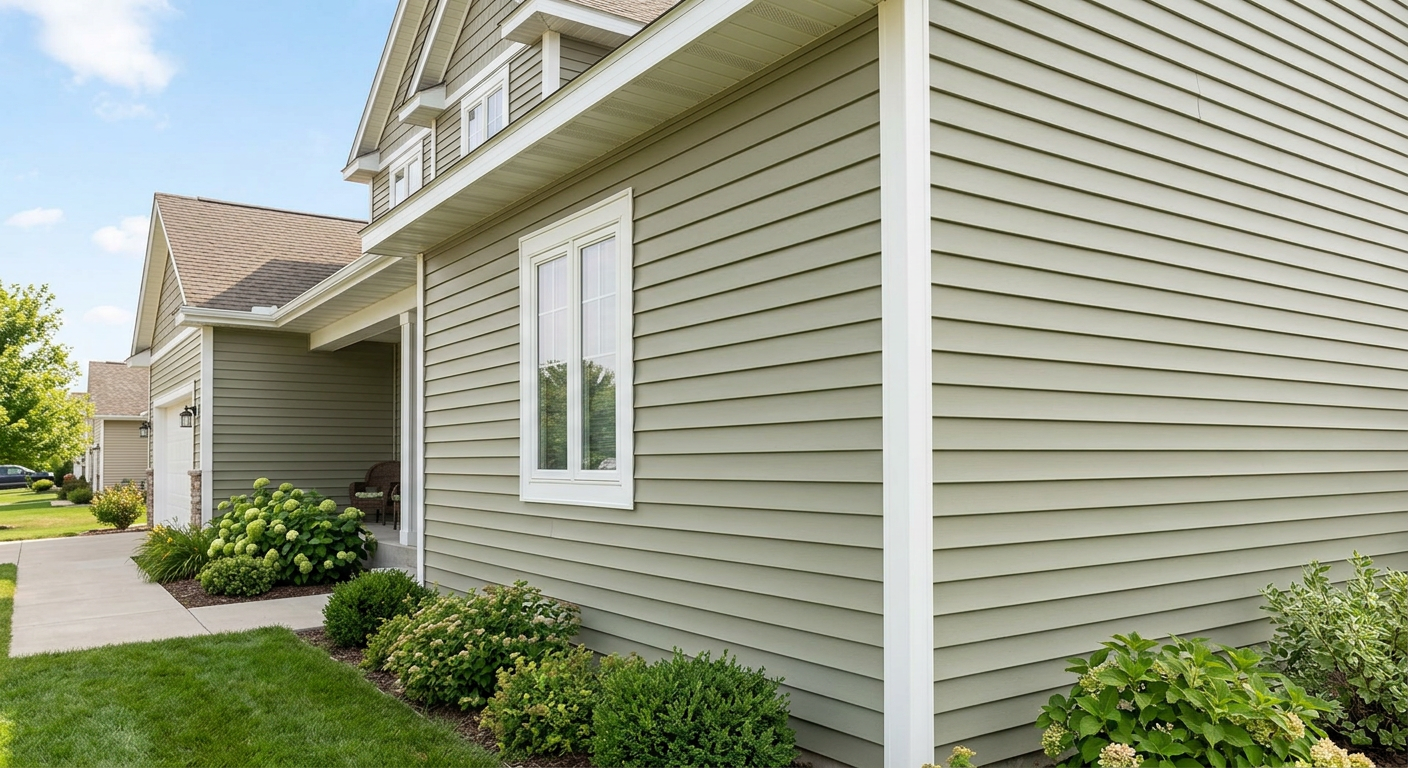
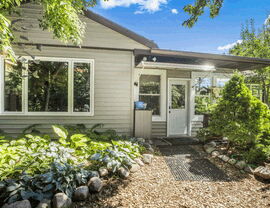
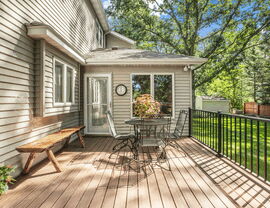
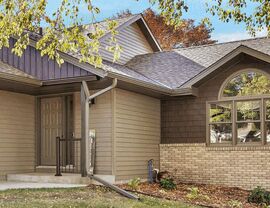
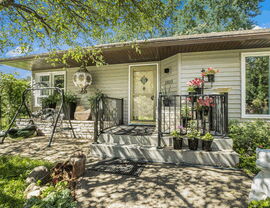
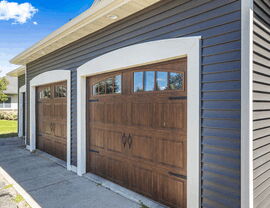
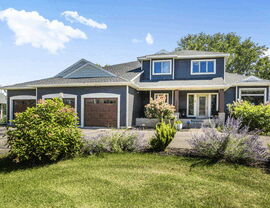
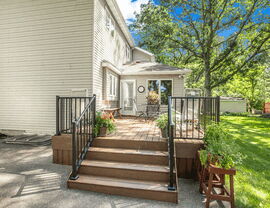
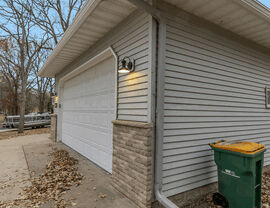
Project Gallery: Roofing, Siding, Decks & Gutters in Saint Cloud
Explore real projects across roofing, siding, decks, windows and gutters that showcase our craftsmanship, product lines and full project photo documentation.
Serving Central Minnesota with Trusted Exterior Remodeling
Based in Saint Cloud, we serve homeowners across Central Minnesota with local crews and full-service exterior remodeling, roofing, gutters, siding, windows, decks, insulation and doors. Our local presence means responsive service, on-site inspections, and community-focused support from estimate to warranty registration.
Straightforward, Customer-First Process for Every Project
We start with a free, diagnostic on-site inspection or virtual consult to assess needs and explain options. Next, our team provides a clear, solution-focused proposal and helps coordinate insurance claims when needed. Every installation is factory-trained and manufacturer-backed, with full photo documentation, warranty registration, and a final walkthrough to ensure your satisfaction.



Family-Owned Exterior Remodeler with Decades of Local Experience
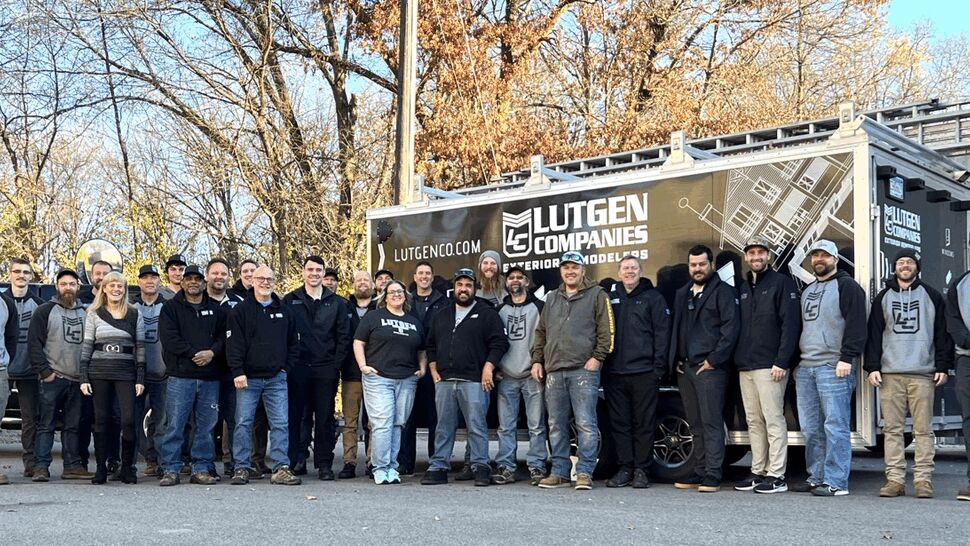
Lutgen Companies is a second-generation, family-owned exterior remodeling firm serving Saint Cloud and Central Minnesota since 1983. We have completed projects for over 10,000 homeowners and focus on quality, safety and long-term performance backed by strong manufacturer partnerships.
- GAF-certified roofing installers and access to extended manufacturer warranties.
- Lifetime Workmanship Guarantee, warranty registration and post-installation support.
- Free on-site consultations, storm damage assessments, and insurance claim assistance.
- Comprehensive services: roofing, siding, windows, gutters, decks, insulation and exterior doors.
- Local crews, project galleries, financing options on approved credit, and community involvement across Central Minnesota.

GAF President’s Club Roofing Contractor with Industry-Leading Warranties
Lutgen Companies is a proud GAF President’s Club Award winner—an honor we’ve earned consistently for nearly a decade. As a top-tier GAF Master Elite® roofing contractor, we stand out through exceptional performance, proven reliability, and superior customer service. This elite recognition allows us to offer homeowners and businesses access to GAF’s strongest roofing warranties, ensuring long-lasting protection and peace of mind.

Blogs
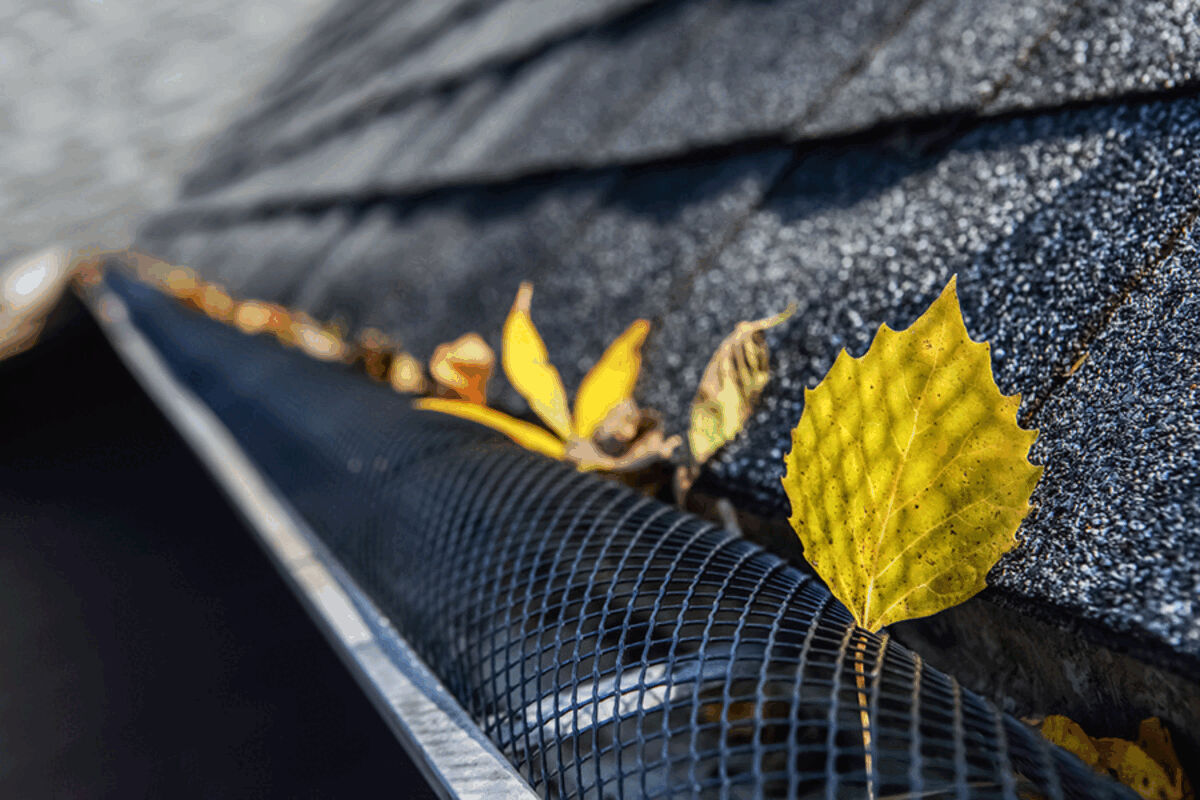
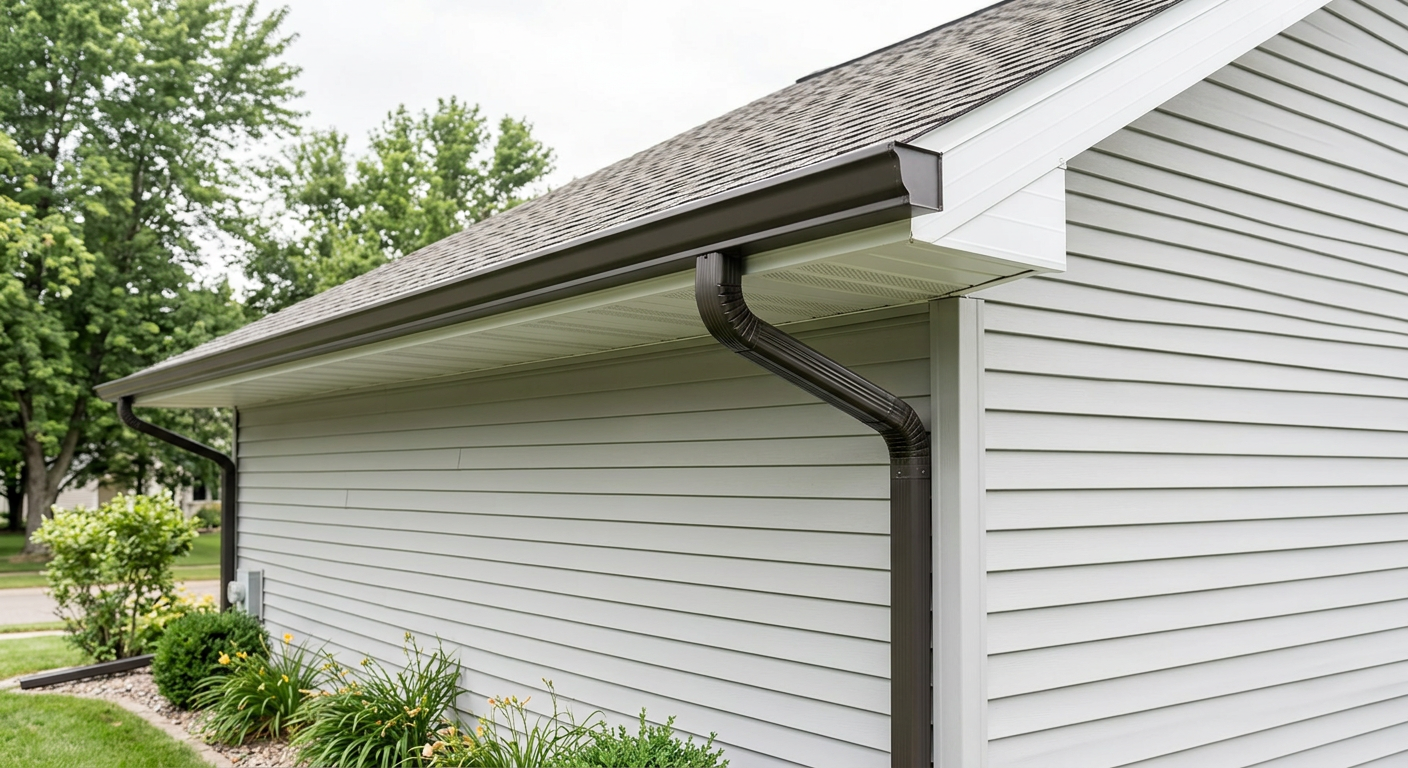
Gutters may not be the first thing homeowners think about, but they play a major role in protecting the home. When water is moved away the right way, it helps reduce wear on the roof, siding, foundation, and landscaping.
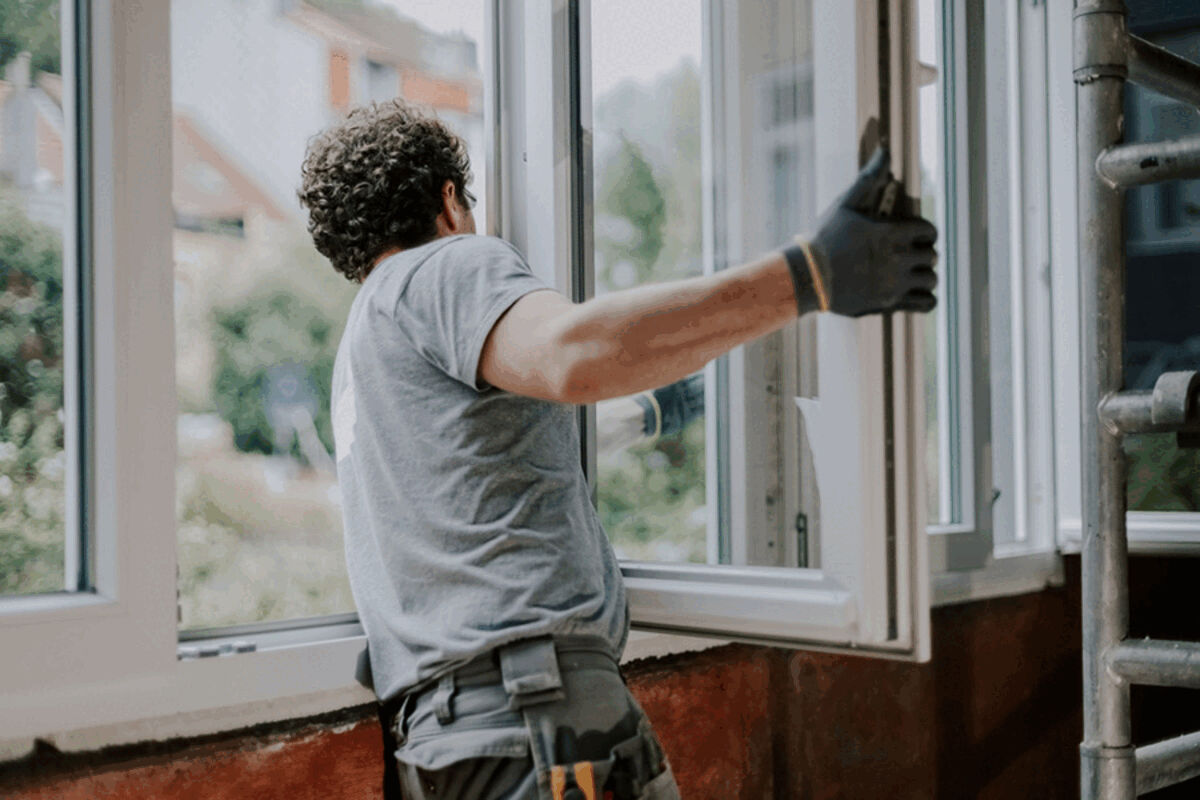
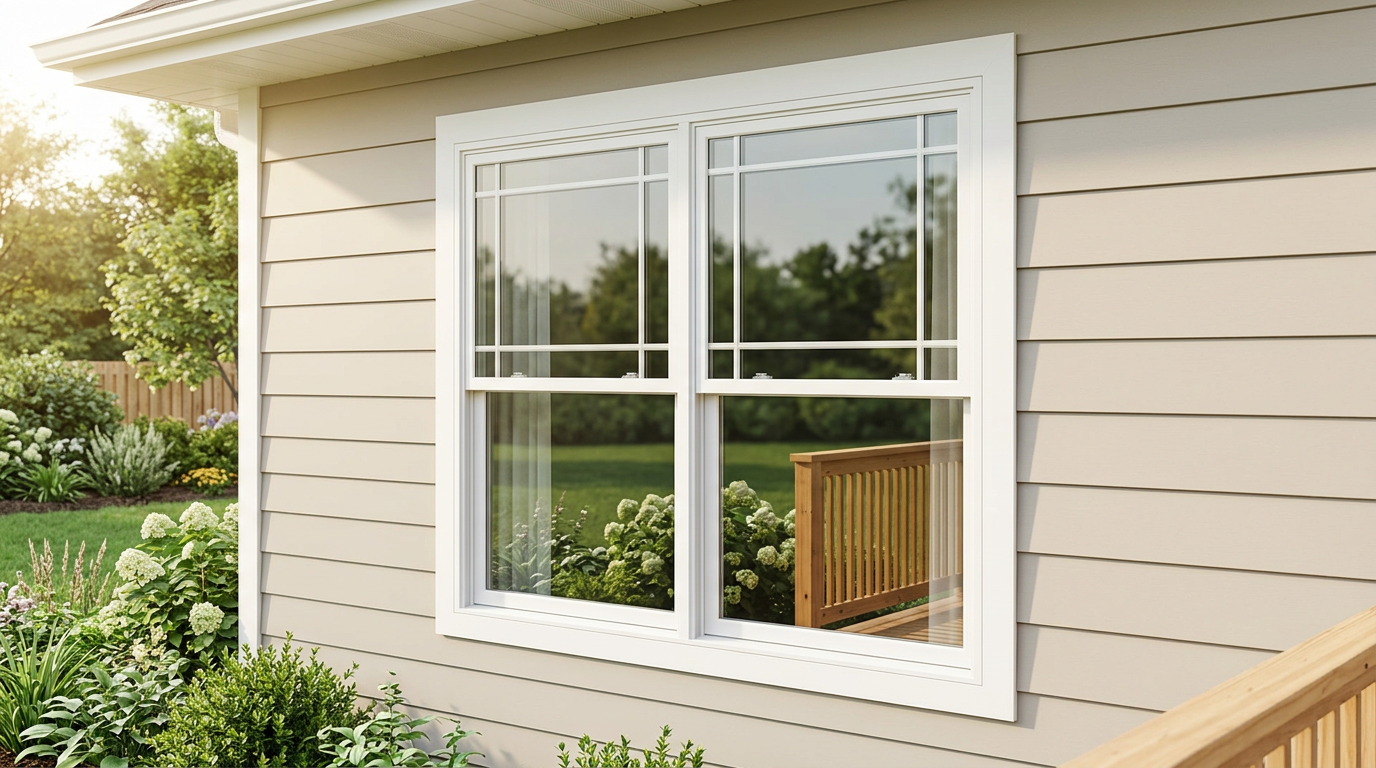
Old windows can quietly cause problems in a home. Drafts, rising energy bills, and rooms that feel too hot or too cold often point back to aging windows. In Saint Cloud, where temperatures can swing hard from season to season, strong windows can make a real difference in daily comfort.
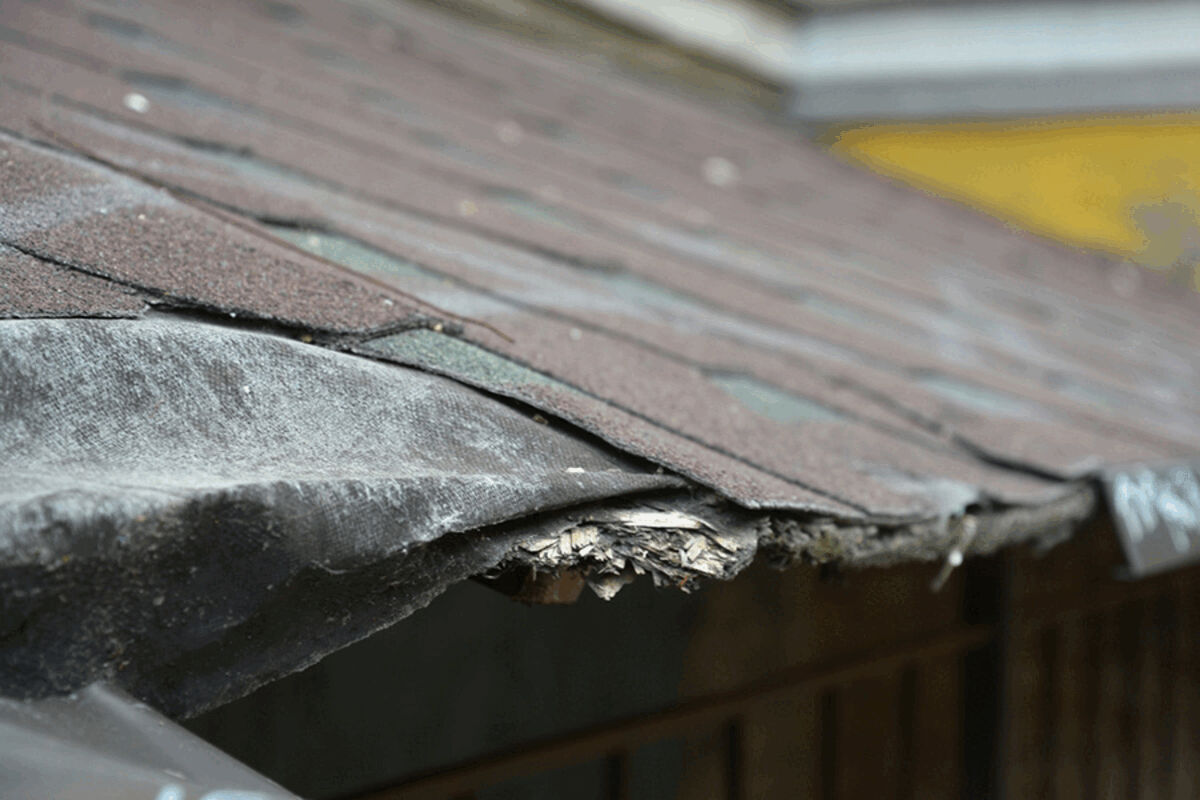
Your roof does a big job every day. It stands up to snow, wind, rain, and summer heat while protecting everything inside your home. In Saint Cloud, that kind of weather can wear down roofing materials faster than many homeowners expect.