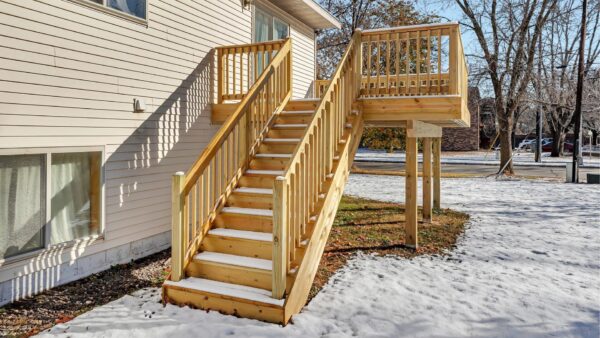
After a long winter, it is easy to focus on lawns, gardens, and getting the house aired out again. Decks often get overlooked, even though they spend months absorbing snow, ice, moisture, and temperature swings without much relief. By the time spring arrives, small issues that started quietly in winter can turn into safety concerns or costly repairs if they are not addressed early.
Table of Contents
A thorough spring deck check is less about finding everything that is all about understanding how winter affected the structure. With a careful, step-by-step approach, homeowners can spot early warning signs, prioritize maintenance, and make smart decisions that extend the life of their deck.
How Winter Affects Your Deck
Cold climates put decks under constant stress. Snow sits for long periods, trapping moisture against boards and framing. When daytime temperatures rise and fall, melting snow refreezes overnight, forcing water into cracks, seams, and fastener holes. Over time, that repeated expansion and contraction weakens wood fibers and loosens connections.
Even pressure-treated lumber and composite systems are not immune. Fasteners can shift, posts can move slightly in the soil, and areas with poor drainage tend to hold moisture longer than intended. A spring inspection helps uncover these issues before regular use resumes.
How To Inspect Your Deck
The first step in determining if your deck is ready for spring is taking a closer look at the deck itself. A hands-on inspection helps identify areas where winter stress may have taken a toll and highlights simple ways to protect the structure before small issues turn into larger concerns.
Start With An Intentional Walk-Around
Begin by simply walking the perimeter of the deck and looking at it from multiple viewpoints. Step back and look at the overall shape. Does it appear level and consistent, or do certain areas seem to dip or slope? Unevenness can be an early sign of post movement or footing issues caused by frost.
Move closer and inspect the deck boards. Look for cracking, splitting, warping, or boards that appear raised at the ends. Light surface checking is normal, but deeper cracks that run through the board or continue to widen year after year can weaken the structure.
Pay attention to color changes. Dark staining, green patches, or blackened areas that often indicate moisture retention or mildew growth. These spots deserve closer inspection once the deck is cleaned.
Check Attachment Points and Structural Connections
Where the deck connects to the house is one of the most important areas to inspect. The ledger board should sit tight against the structure with no visible gaps. Any signs of pulling away, water staining, or rot near this connection should be taken seriously, as ledger failures can lead to sudden structural issues.
Next, examine posts and beams. Look for cracks running vertically along posts, soft areas near the base, or wood that appears crushed or splintered where it meets metal brackets. These areas often take the most stress during freeze-thaw cycles.
If you can access the underside of the deck, inspect joists and hardware. Rusted fasteners, nails backing out, or screws snapping under pressure are all indicators that connections may no longer be secure.
Test Railings and Stairs for Safety
Railings should be checked early and thoroughly. Gently push and pull in different directions. Railings should feel solid, with no movement at posts or connection points.
Stairs deserve extra attention because they experience heavy foot traffic and more exposure to ice. Check each tread for firmness. Soft spots, loose boards, or uneven riser heights can create trip hazards. Handrails should be just as secure as deck railings and free of rot or loose fasteners.
Clean the Deck to Reveal Hidden Issues
Winter buildup can hide problems that are easy to miss on a dirty surface. Before making repair decisions, clean the deck thoroughly. Start by sweeping debris from the surface and between boards. Use a deck cleaner designed for your decking material to remove grime, mildew, and algae. Be cautious with pressure washers. High pressure can damage wood fibers, leaving the surface more vulnerable to future moisture.
Once clean, recheck boards and connections. Issues like raised grain, small cracks, or soft areas are often much easier to see after washing.
Common Winter-Related Damage to Watch for
Several types of damage show up repeatedly after winter. Fasteners that have popped up or shifted can create tripping hazards and allow boards to move underfoot.
Rot tends to develop in areas where snow piles up or drainage is poor, such as near posts, stairs, or ledger boards.
Widespread splitting or cupping can indicate boards nearing the end of their lifespan.
Post movement caused by frost can lead to uneven surfaces and added strain on framing connections. Identifying these patterns early makes repairs more manageable and often less expensive.
Deciding What Needs Attention Now Versus Later
Not every issue requires immediate replacement. Tightening fasteners, replacing individual boards, or reinforcing railings can significantly improve safety and usability.
Spring is also a good time to think about long-term improvements. Adding better drainage, upgrading railing systems, or resurfacing with materials designed for durability can reduce maintenance and improve performance through future winters.
When multiple structural concerns appear at once, a professional assessment can help clarify whether repairs are sufficient or if rebuilding portions of the deck is the safer choice.
Planning for seasons ahead. A deck should feel like an extension of the home, not a source of uncertainty. Taking the time to inspect and address winter wear helps protect both the people who use the space and the investment itself.
Working with a contractor who understands how harsh weather affects decks can bring clarity and confidence to the process. Lutgen Companies focuses on quality craftsmanship, honest guidance, and long-term performance to help homeowners make informed decisions.
For more information about deck maintenance, repairs, or upgrades, explore your options with Lutgen Companies. A spring inspection now helps create a safer, longer-lasting deck you can enjoy all season.